

Bean to Cup and Semi-Automatic Coffee Machines
A bean-to-cup coffee machine grinds the beans and brews the drink in one machine. This method gives you a more authentic and richer flavor than coffee that has been ground prior to use or pods.
This Sage model is fully programmed for delayed brewing and has a hopper that holds up to one-half pound of beans. It also has rinse cycles before and after the brewing process, preventing grounds from soaking through the coffee spout and milk pot.
Bean-to-Cup
Contrary to pod coffee machines that dispense pre-packaged and sealed cups, bean to cup models handle the entire process of brewing from beginning to the point of. They include a built-in grinder that grinds beans before each use to ensure they are fresh and tasty, and then brew them to the exact specifications you have set. You can sip a cup of coffee exactly as you would like it by a few buttons!
Alongside the flexibility to create a range of different drinks, bean-to-cup machines also let you choose your own specific coffee beans and roast level. This allows you to create unique drinks and experiment with new flavour combinations that will impress your customers. You'll also save money in the long run because beans are less expensive than pre-packaged beans.
Bean-to-cup espresso machines can be less messy than traditional espresso machines. They do not require a portafilter, nor the requirement for an manual pour, meaning that you can eliminate the mess and waste and concentrate on other things. For restaurants and bars with high turnover of staff, this can be a huge time saver.
Bean-to-cup equipment can also include an additional milk hopper, which can be heated and then texturised for the optimum consistency for each drink type. This allows you to offer a wider range of drinks, and many models also have the option for the frothy hot chocolate.
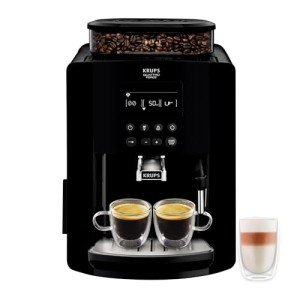
These automatic bean-to cup machines are typically equipped with a menu that features popular coffee shop staples. The machine does the rest. You only have to select the drink that you'd like. These machines are a great choice for companies who wish to make the process as simple and as automated as is possible.
They require regular cleaning and descaling in order to prevent buildup. You'll typically have to use the brand-approved descaling and cleaning solution or your machine could void its warranty. This is usually a quick and simple process, and you can set reminders to help save time. It's also worth checking what the service terms and charges are for the specific model you're looking at because some models will be more expensive than others. However, it's still worth it for the peace of head that comes from knowing your machine is in top working order at all times.
Pod
Pod coffee machines use sealed, pre-ground beans in capsules. These pods are a simple and convenient alternative to grinding your own coffee and measuring the amount. They also remove any mess caused by spills, dust, and staining.
They are also a favorite among people who want the same cup of coffee every time. The lack of freshness could result in an espresso that is less tasty when brewed by machines that grind beans fresh. In addition, the majority pods on the market are made from non-recyclable material and the flavors available are not as good as those offered by bean-to-cup machines.
There are many different types of pod coffee makers available on the market which include K-Cup, Nespresso, Dolce Gusto, Iperespresso, Senseo and Dualit NX ESE machines. The majority of pod coffee makers function in a similar manner heating water until it is almost boiling, then forcing it at high pressure through the coffee in the capsule. Then the grounds are removed, eliminating the need for messy espresso machine equipment like portafilters that must be free of coffee oils.
The ease of pod machines can reduce the cleaning and maintenance time. The majority of pod coffee makers require that you refill the water reservoir.
The size of the reservoir varies between models, but most are small enough to fit on the counter top of your kitchen. They also have drip tray that can accommodate both espresso cups that are short and tall travel mugs. Some also feature the option of rotating bases that can be adjusted to fit the design of your kitchen.
Some models are designed to be put into a cupboard with a built-in receptacle for empty pods that can be disposed of without a mess. Others may be more permanent fixtures on your countertop, and require you to keep a supply of both empty and full pods at hand.
The best pod machine will depend on your budget as well as preferences. If you're looking for the highest quality coffee, then a bean to cup machine is ideal for you. If convenience and user-friendliness are your priorities, the pod maker is an excellent option. If you're not sure which machine to purchase, visit well-equipped showrooms to try them out prior to making a purchase. It's also worth researching what kinds of coffee you like and then trying out various brands to find one that you're comfortable with in your home. If you're fond of certain blends, you can even buy single estate coffees in pods to use on your machine.
Semi-Automatic
Semi-automatic coffee machines strike an equilibrium between convenience and control. It requires some manual intervention but automates essential aspects of the coffee brewing process. You'll still need to grind the coffee beans and attach the portafilter, but the machine will handle the delivery of water through the grounds. This kind of espresso machine is usually preferred by those who enjoy the art of making espresso. You can also alter important variables of brewing, such as the grind size, temperature, and extraction time to create the perfect cup of espresso.
The disadvantage is that this type of coffee maker may be slower to operate than fully- or super-automatic models. Moreover, you'll need to be able to monitor the brew boiler as well as the steam wand for consistency. This means it's not a good choice for large-scale coffee shops and isn't the best choice for those who need their coffee in the morning.
If you're not willing to compromise on quality and are willing to spend more, consider a bean-to-cup coffee maker that eliminates the guesswork of making your espresso. This model uses whole beans to make an unbeatable cup that doesn't lose the aroma or flavor. It has a built-in grinder and a variety of customizable options to give you the most flexibility.
Another option is a piston-style coffee machine which is similar to traditional lever machines operated by hand. Instead of pulling down a lever, you'll press a button to start the pump. This kind of machine allows you to control the amount of pressure that is used for extraction, giving you complete control over your shot. This allows you to experiment with different methods and to create your own unique style. You can also make use of a separate milk pitcher and steam wand to make latte and cappuccinos. Just remember that bean to cup coffee machine isn't suitable for hot chocolate or other non-espresso drinks as it won't produce enough steam for these drinks. It's not that piston machines aren't capable of making quality drinks, but it's crucial to be aware of what you're purchasing before you purchase one.